
Last updated October 31, 2026
 Wrought iron
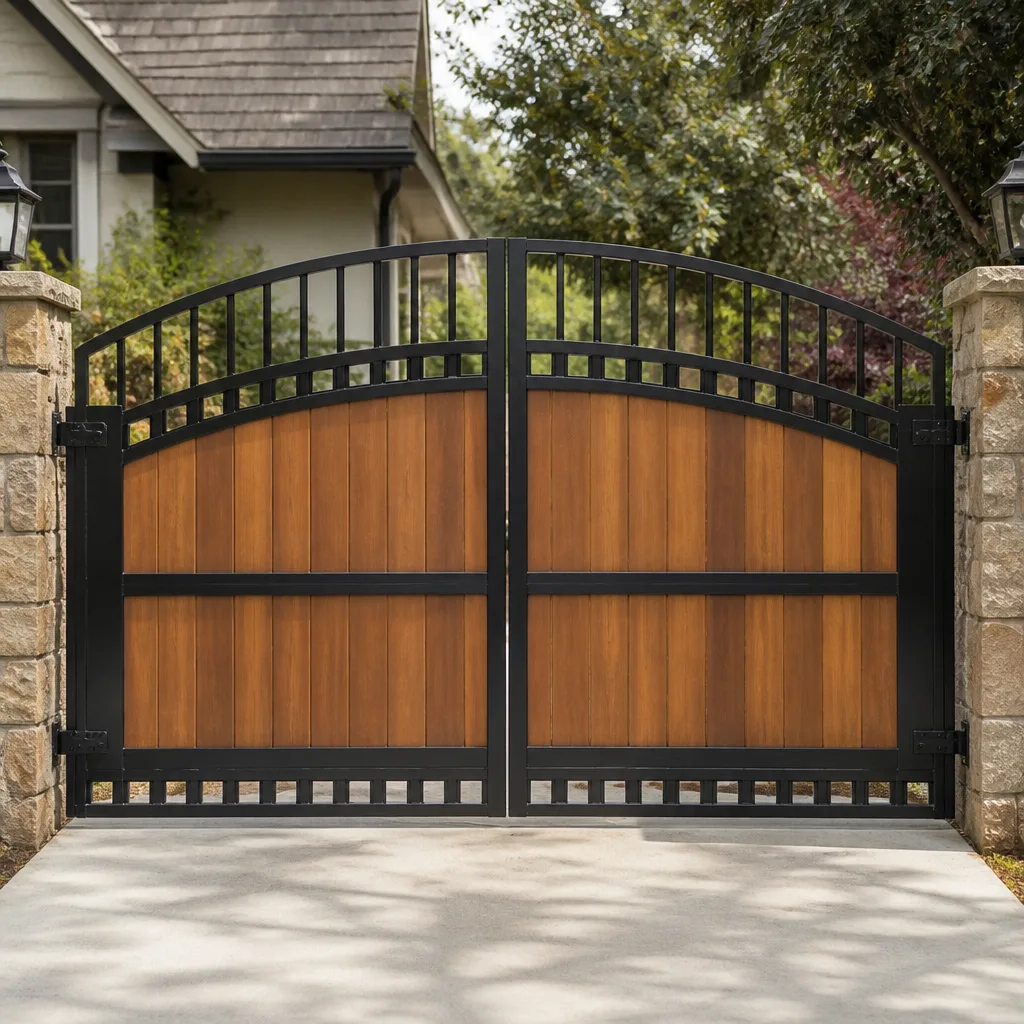 Wood & steel frame
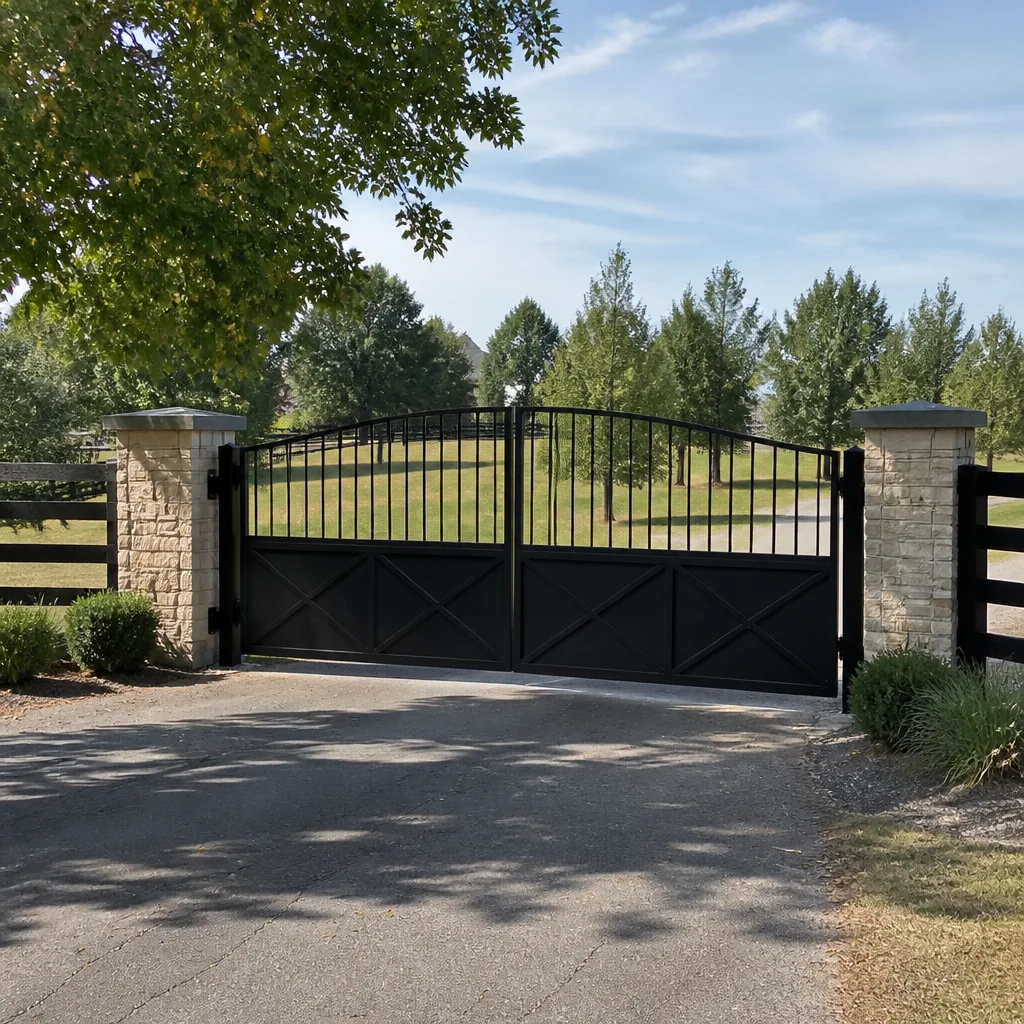 Farm & ranch
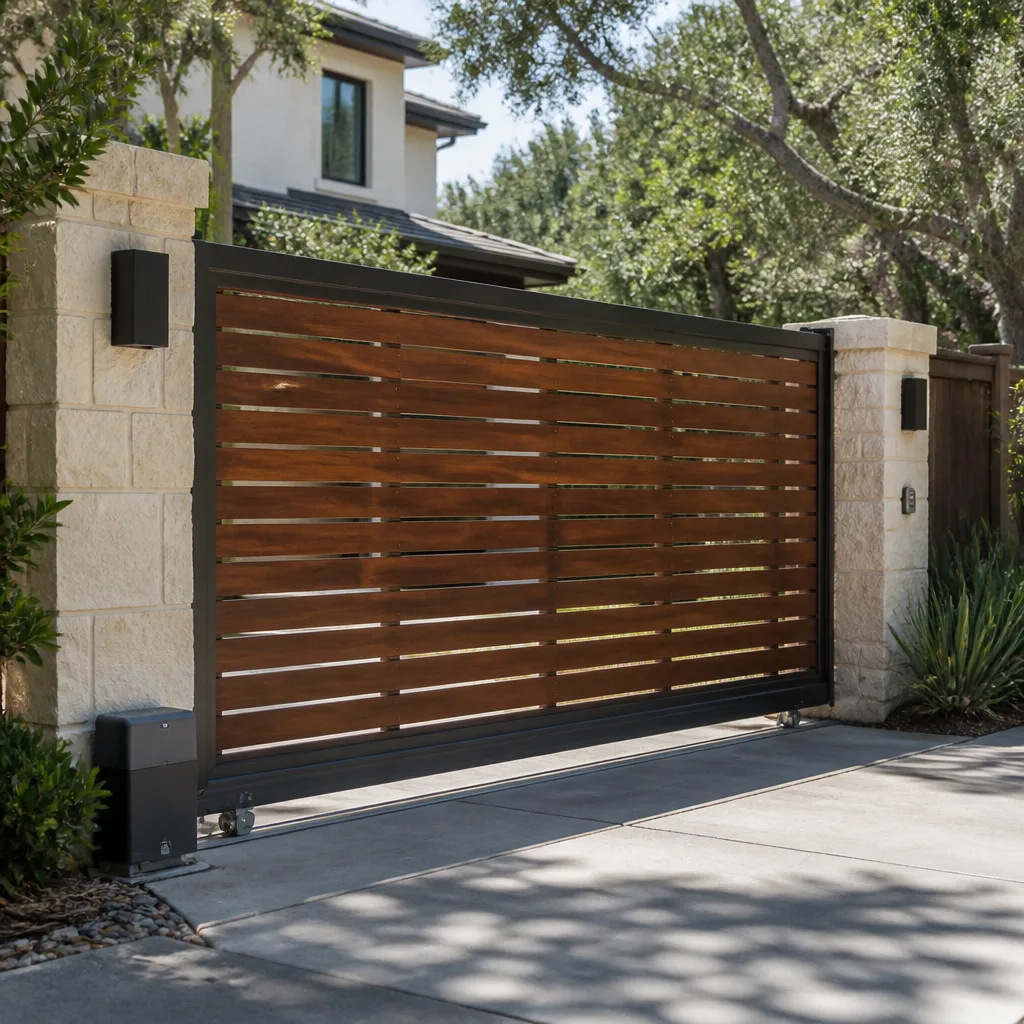 Sliding driveway gates
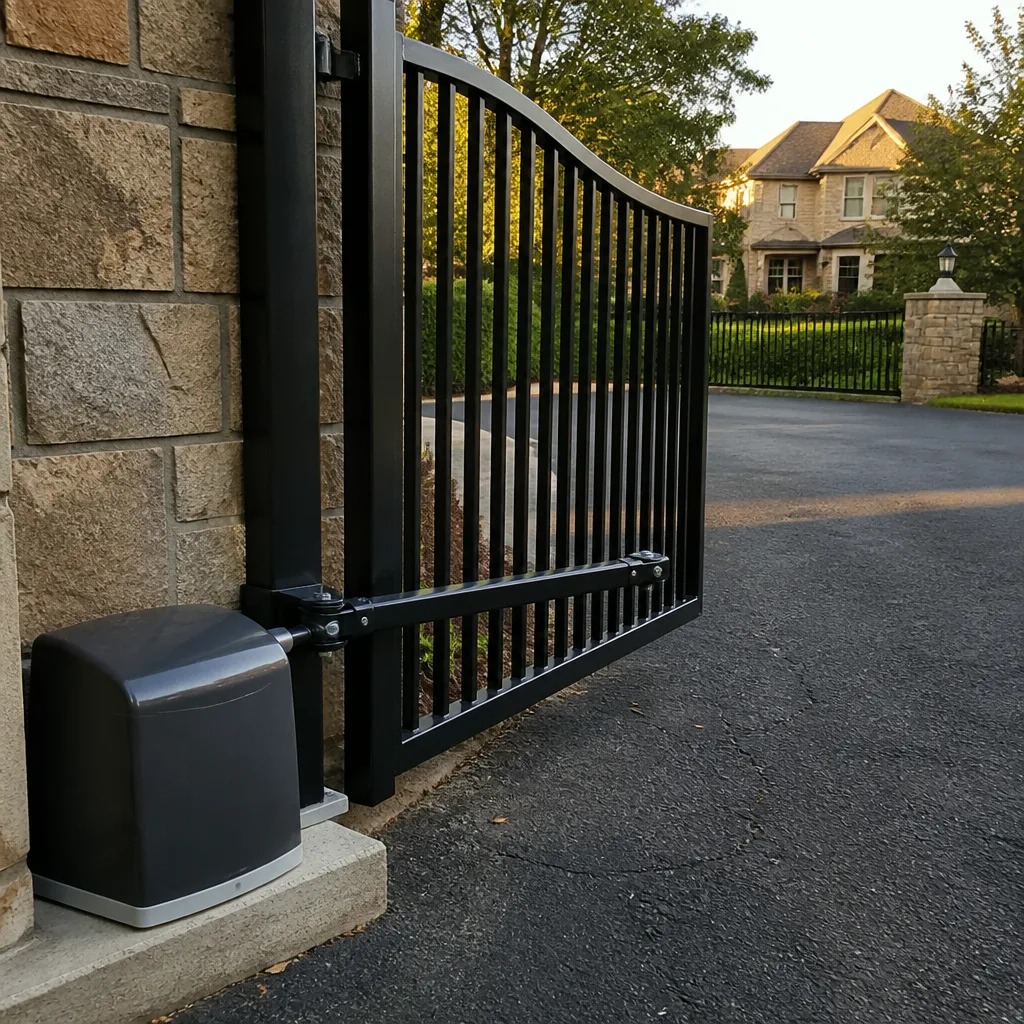 LiftMaster operators
Free on-site gate assessment - hinges, posts, and your LiftMaster or Nice gate operator checked before anything is quoted
The assessment is free and the quote is the invoice.
Get your free estimateThe Complete Gate Repair Guide for Rowlett Homeowners
Rowlett’s black clay soil can shift a gate post by more than an inch over a single summer, and most homeowners blame the gate operator when the real problem is underground. That misdiagnosis leads to unnecessary board replacements, motors that burn out twice in three years, and a gate that never quite closes right no matter how many times you adjust the limit switches. This guide explains what’s actually happening to automatic and manual gates in Rowlett, how North Texas weather and soil create problems you won’t find in The Complete Guide to Gate Repair in Rowlett, and what you can safely handle yourself versus what needs a specialist. You’ll learn how to read early warning signs, which brands hold up to Rowlett summers, how to document damage for insurance or HOA purposes, and when the smartest call is to bring in a pro.
Quick Answer
Gate repair in Rowlett typically involves one of three root causes: control board failure from heat exposure, mechanical misalignment from expansive clay soil shifting posts, or sensor and limit switch issues after DFW storms. Most repairs cost less when caught early, and a gate specialist who works on your specific operator brand can usually diagnose the real problem faster than a generalist. If your gate won’t open, won’t close, or moves erratically, start with the troubleshooting steps in this guide, then call a Rowlett gate specialist when you hit anything involving wiring, tension, or a leaning post.
Styles & brands we work with
Table of Contents
- Why Rowlett Soil Destroys Gate Alignment
- How North Texas Heat Kills Gate Electronics
- What You Can Fix Yourself vs. What Needs a Specialist
- The Gate Brands We See in Rowlett and What Typically Fails
- A Seasonal Maintenance Calendar for Rowlett Gates
- Documenting Gate Damage for HOA and Insurance Claims
- Signs Your Gate Is Past Repair
- Common Mistakes to Avoid
- When to Call a Professional
- Frequently Asked Questions
Why Rowlett Soil Destroys Gate Alignment
Rowlett sits on what geotechnical engineers call “expansive clay” – primarily Houston Black and Eagle Ford series soils that swell when wet and shrink when dry. The shrink-swell cycle moves more than you’d think: a gate post set in this soil can shift a quarter inch in a single dry week, and more than an inch over a full summer. When the post moves, everything attached to it moves too. The hinge geometry changes, the latch no longer lines up, and the operator arm starts pulling at an angle it was never designed for.
We see this pattern constantly in neighborhoods like Waterview, Princeton Park, and Lakeside. A homeowner calls us about a LiftMaster operator that’s “straining” or making a grinding sound. We check the post, not the motor. Nine times out of ten in Rowlett, the post has leaned just enough toward the gate that the operator is fighting gravity instead of swinging the gate freely.
How to Spot Post Shift Before the Gate Fails
Catch this early and you might avoid a full post reset. Here’s what to look for in order of how early the sign appears:
- Gap changes at the latch side: Walk the gate closed slowly. If the gap at the latch end is wider at the top than the bottom, or vice versa, the post has moved. A properly set post holds the gate perfectly parallel to the latch post.
- Drag marks in the dirt or on concrete: A gate that formerly cleared the ground by two inches now scrapes or leaves a visible arc in the soil. That’s the lower corner dropping as the post leans.
- Operator arm angle: Stand behind the operator and look at where the arm connects to the gate. If it looks like the arm is bending upward or downward to reach the gate bracket, the post has moved enough to matter.
- Hinge noise that wasn’t there before: A shifted post turns a previously quiet hinge into a creaking, popping joint. Lubrication helps temporarily, but the real fix is straightening the post.
- Visible cracking in the concrete collar: If your gate post is set in concrete and the concrete has fresh cracks radiating outward from the post, the post is active – meaning it’s moving with the seasonal soil cycle.
Post reset in Rowlett is not a DIY job. It requires digging or saw-cutting around the base, re-plumbing the post, and pouring new concrete with reinforcement that extends below the active clay zone, typically 30 to 36 inches deep. Get it wrong and the post walks again within a year. This is structural work, and it’s one of the most common calls we take at Gate Repair in Rowlett.
How North Texas Heat Kills Gate Electronics
Rowlett regularly sees 100°F-plus days from June through September, and the inside of a metal gate operator housing can run 30 to 40 degrees hotter than the ambient air. That means your control board is baking at 130°F to 140°F for hours at a time, every single day, for weeks on end. Capacitors dry out, solder joints fatigue, and cheap relays stick. The board doesn’t fail on the hottest day. It fails in October or November, when the stress accumulated over the summer finally cracks a connection.
Heat-Rated vs. Standard Boards
Not all operator boards are built for this climate. The distinction matters if you’re replacing a board or choosing a new operator:
- Standard consumer boards: Rated for ambient operation up to roughly 104°F to 122°F. Inside a Rowlett operator housing in August, they’re running at or past their spec every afternoon. They work fine in Michigan. They die prematurely here.
- Heat-rated or commercial-grade boards: Built with higher-temperature capacitors, thicker traces, and better thermal management. BFT and FAAC both engineer boards with internal temperature derating curves that tolerate sustained heat far better than entry-level boards.
- LiftMaster’s commercial line: Uses a different board architecture than its residential line, with conformal coating to resist moisture and heat-related expansion stress. If you have a long driveway gate or a heavier gate in Rowlett, a commercial-rated operator often outlasts two residential units.
Warning Signs of Heat-Damaged Electronics
- Operator works in the morning but not in the afternoon heat.
- Gate opens but won’t close, or closes but won’t open, only during hot weather.
- Intermittent failure that seems random but tracks with temperature.
- Display on the control board is dim, flickering, or shows partial digits.
- A distinct burnt-electronics smell from the housing after a hot day.
If you’re choosing a new operator for a Rowlett home, ask about board temperature ratings. It’s the difference between a five-year board and a fifteen-year board in our climate. The companies that engineer for heat, like BFT and FAAC, tend to hold up better here than budget options designed for milder regions.
What You Can Fix Yourself vs. What Needs a Specialist
Rowlett homeowners can safely handle a handful of gate maintenance tasks. The line between DIY vs Professional Gate Repair: The Rowlett Homeowner’s Decision Guide comes down to two things: stored mechanical energy and electrical current. If a repair involves tensioned springs, heavy moving panels, post concrete, or wiring, it belongs with a professional. Gate operators and gate panels are heavy enough to cause serious injury when something lets go.
Safe DIY Tasks
- Hinge lubrication: Use a lithium-based grease or a silicone spray on hinge pins. Do this twice a year in Rowlett, because dust and heat dry out lubricants faster than in wetter climates.
- Track and roller cleaning: For slide gates, remove debris from the track, check roller bolts are tight, and clear leaves or mulch that collect in the rail. A clogged track makes the operator work harder and shortens its life.
- Photo-eye cleaning and alignment check: Wipe the sensor lenses with a dry cloth and make sure both eyes face each other. Rowlett dust coats lenses quickly. Misaligned sensors are the single most common “my gate won’t close” fix.
- Battery replacement in wireless keypads and remotes: If the operator works from the wall button but not the remote, change the remote battery before calling anyone.
- Minor hinge adjustment: If a hinge has loosened but the post is still plumb, you can snug the bolts. If the post itself has moved, tightening bolts won’t help and can strip the threads.
Leave These to a Specialist
- Any post reset or re-concreting: Structural work. A post set wrong in Rowlett clay will move again within a season.
- Operator arm or chain tension adjustments: These are under load. A wrong adjustment can cause the gate to run away or bind suddenly.
- Control board diagnosis and replacement: Line voltage is present even when the operator is switched off at the board. A miswired board also risks frying the entire low-voltage system.
- Spring or torsion assembly work: Manual gates with tensioned springs store dangerous energy. These are not coil springs on a garage door; they’re often custom-tensioned for the gate weight.
- Gate panel removal or replacement: A heavy steel or iron gate can weigh several hundred pounds. Removing one without a proper stand or second person is a serious crush risk.
Our approach at Pinehurst Gate Repair is to tell you plainly what you can handle and what you shouldn’t. We’re Pinehurst Gate Repair home specialists, and we’d rather educate you into a well-maintained gate than show up for a repair that fresh batteries would have solved.
The Gate Brands We See in Rowlett and What Typically Fails
Rowlett neighborhoods run the full range of gate hardware, from builder-grade Mighty Mule units on newer construction to twenty-year-old Viking slide operators on larger properties. Here’s what we see fail, by brand, based on service history across the Dallas side of the metro:
LiftMaster
Common on residential swing gates. The operator mechanisms are solid, but the residential boards are susceptible to the heat issues covered above. We also see a lot of failed limit-switch assemblies on units older than eight years. The good news: LiftMaster parts are widely available and the brand doesn’t lock out independent technicians with proprietary diagnostic tools.
BFT and FAAC
Both are Italian-engineered brands common on higher-end Rowlett homes and some HOA entries. They’re built for hotter climates than most American consumer brands, so board failures are less common. What we do see is a need for specialized programming knowledge. A technician trained on LiftMaster doesn’t automatically know BFT’s parameter settings. If you have a BFT or FAAC operator, call someone who specifically works on those brands.
Linear and Viking
Both brands appear on slide gates for larger lots and some light commercial use. Linear boards are generally reliable but sensitive to voltage fluctuation. Viking operators are workhorses but older units sometimes need mechanical refurbishment: gears, chain, and limit switches. Both brands require a technician who understands slide gate physics, not just swing gate wiring.
Ghost Controls, DoorKing, Elite, Mighty Mule
Ghost Controls and Mighty Mule are popular DIY-friendly swing operators common on newer Rowlett builds. We see a lot of stripped plastic gears and failed limit switches on Mighty Mule, and Wi-Fi module failures on Ghost Controls. DoorKing and Elite are heavier commercial-grade slide and swing operators. They last decades when maintained but are unforgiving to misadjustment.
The point isn’t which brand is “best.” It’s that each fails differently, and a technician who doesn’t know your brand is guessing. That’s why we maintain hands-on diagnostic experience across all of these. Whether your Linear board has lost power or your Viking chain has jumped a sprocket, the fix starts with knowing exactly what you’re looking at.
A Seasonal Maintenance Calendar for Rowlett Gates
Most gate failures in Rowlett are seasonal. The problems arrive on schedule, and the fixes are more effective when done on schedule too. Here’s the calendar we recommend to Rowlett homeowners, tuned to North Texas weather patterns rather than more guides & resources:
March – Pre-Spring Inspection
- Check for post movement after winter rains. Clay soil swells in wet months and shrinks in dry ones. March is when you’ll see the first signs of post lean from the winter wet-to-dry transition.
- Lubricate all hinge pins and roller bearings. Winter moisture has washed some lubrication out, and you want fresh grease before summer dust bonds with old grease into a grinding paste.
- Test the gate manually (with the operator disengaged) to see if it moves freely. If it doesn’t, the operator is compensating for a mechanical problem, and that’s how motors die young.
May – Pre-Summer Capacitor Check
- Listen for a humming sound when the gate starts. A weak capacitor makes the motor struggle to start and will fail outright in the first heat wave.
- Check the operator housing for debris, ant colonies, or mud wasp nests. Rowlett insects love dark, warm, sheltered spaces, and a wasp nest inside the housing can short the board.
- Test the photo eyes and the safety edge if you have one. These are safety devices. A gate that reverses on contact is not optional; test it monthly through summer.
August – Peak Heat Monitoring
- Note any afternoon-specific failures. If the gate works at 8 a.m. and refuses at 3 p.m., it’s heat-related, and you need that board replaced before October when it fails permanently.
- Check for cracked or hardened rubber seals and caps on the operator housing. Heat makes rubber brittle. Water gets in through the cracks during fall rains.
- Verify all hardware is tight. Summer heat expands metal, and expansion followed by contraction loosens bolts. A loose hinge bolt in August becomes a stripped hinge in November.
October – Post-Storm Sensor Sweep
- After any fall thunderstorm with high wind, clear debris from photo-eye paths, inspect sensor alignment, and check that the gate track or path is clear of leaves and limbs.
- Inspect the gate itself for wind damage: bent rails, loose pickets, or a panel that’s no longer square in the frame.
- Test the operator’s auto-reverse function with a solid object in the path. If the gate doesn’t reverse, do not use it until it’s repaired. This is the leading cause of gate-related injury and property damage.
December – Winter Battery Backup Test
- If your system has battery backup, simulate a power outage by flipping the breaker to the operator and confirming the gate still operates on battery.
- Replace batteries in all remotes and keypads. Cold weather drops battery voltage, and a remote that’s weak in summer is dead by January.
- Check for water intrusion at the operator housing. Winter rain in Rowlett is often steady and light, which finds entry points that summer downpours don’t. Look for condensation or drips inside the housing.
This calendar prevents about 70% of the failures we see from becoming emergencies. It’s simple, it’s seasonal, and it’s specific to what Rowlett weather and soil actually do to gate hardware. If anything on this list is outside your comfort zone, that’s exactly what a Electric Gate Repair in Rowlett call is for.
Documenting Gate Damage for HOA and Insurance Claims
Storm damage to gates in Rowlett creates two paperwork problems most homeowners don’t anticipate. The first is convincing an insurance adjuster that wind damage, not pre-existing wear, caused the failure. The second is proving to an HOA that the gate was functional before a storm event if the HOA owns or shares responsibility for the gate. Here’s how to handle both.
Before Any Damage Occurs: The Baseline Record
- Take dated photos of the gate from both sides, including close-ups of hinges, latches, operator, and where the gate meets the ground.
- Take a 30-second video of the gate opening and closing. Narrate the date and confirm in the video that the gate is operating normally.
- Save maintenance records: lubrication dates, board replacements, motor replacements, any technician invoices. A gate with a documented maintenance history is much harder for an insurer to dismiss as “pre-existing condition.”
- Store all of this in a folder called “Gate Documentation” in cloud storage. Make sure your HOA board has access to it if the HOA carries responsibility for the gate.
After Storm Damage
- Photograph the damage from multiple angles before moving anything. Include photos that show the gate in context: the post, the gate, the operator, and the surrounding ground.
- Do not attempt repairs before the adjuster has seen the damage. If the gate is blocking access or creating a security hazard, document the condition thoroughly, then make only temporary safety repairs and save every receipt.
- Note whether the failure appears mechanical (bent, torn, broken parts), electrical (board, wiring, sensors), or structural (post movement, concrete cracking). Different policy provisions often cover different categories.
- For HOA-owned gates, send written notification to the property manager within 24 hours, with photos attached. Many HOAs have timelines for damage reporting, and missing the window can move repair liability to you.
Most Rowlett HOAs with gated entries take months to process repairs. Having your own documentation gives you leverage to get temporary access solutions approved faster. And for insurance, the difference between a paid claim and a denied one is often just the quality of the photo and maintenance record.
Signs Your Gate Is Past Repair
We repair gates that other companies recommend replacing. But we also tell homeowners straight when a repair no longer makes financial sense. Here’s the honest version of that conversation, Rowlett edition:
- Structural rust through the frame: Surface rust can be treated. Rust that has penetrated the tubing or iron means the gate’s structural integrity is failing. Replacement is cheaper than band-aid welding year after year.
- The gate is no longer square: A welded steel or iron gate that has twisted or racked out of square cannot be fixed by adjusting hinges. It can sometimes be re-welded, but the metal has already shown it’s not strong enough for the job.
- Post replacement is needed every two years or less: If you’ve reset the same post multiple times, the post is undersized or the footing is inadequate. A thicker post or a deeper footing costs about the same as another reset.
- The operator is obsolete and parts are unavailable: Some older boards and motors are simply no longer manufactured. We can sometimes source used parts, but when a twenty-year-old operator needs a board that doesn’t exist new, a new operator is the responsible recommendation.
- You’re spending more than $300 a year on repairs: Track it. If the gate costs you more annually on service than a new gate and operator would cost amortized over ten years, replacement is the better financial decision.
If any of these apply, a full replacement is likely in your future. The process doesn’t have to be painful. At Pinehurst Gate Repair, the same team that tells you “this gate is done” can handle the Gate Installation in Rowlett, so you’re not starting over with a different contractor who hasn’t seen your existing setup.
Common Mistakes to Avoid
- Blaming the operator first: In Rowlett, soil movement causes more gate failures than motors do. Before you replace a board or operator, check whether the post has moved. A new operator on a leaning post will fail just as fast as the old one.
- Ignoring a gate that’s slightly off: A gate that’s rubbing, scraping, or making a new noise is telling you something. Every week of “kind of working” means additional wear on parts that would have been cheap to fix at the first sign of trouble.
- Putting a residential operator on a heavy gate: A solid iron gate or an oversized wood gate needs a commercial-rated operator. A residential LiftMaster or Mighty Mule on a 600-pound gate will burn through gears and boards, especially in Rowlett heat.
- Adjusting limit switches repeatedly instead of finding the root cause: If the gate keeps overrunning or under-traveling, the switches aren’t the problem. Something mechanical has changed, usually post position or a worn hinge. Adjusting limits masks the issue until the damage compounds.
- Drilling into a post to “fix” misalignment: Some homeowners try to relocate the latch or hinges by drilling new holes to compensate for a leaning post. This destroys the original hole integrity and makes a future proper fix more expensive. The post needs to move, not the hardware.
- Using WD-40 on gate hinges: WD-40 is a solvent, not a lubricant. It temporarily quietens a hinge while washing out the remaining grease. Use lithium grease or silicone.
- Skipping the safety reversal test: A gate that doesn’t auto-reverse is dangerous to kids, pets, and cars. Test it monthly. If it fails, treat it as an urgent repair.
When to Call a Professional
Call a gate specialist when you see any of these: a leaning post, a gate that doesn’t move freely when disengaged from the operator, an operator that trips its breaker or GFCI, a gate that reverses or stops mid-travel, any spark, smoke, or burning smell from the operator housing, or a safety device (photo eye, safety edge, auto-reverse) that’s not working. These are not troubleshooting puzzles. They’re repair calls, and the longer they wait, the more expensive they get. Electrical and structural issues don’t self-correct. Pinehurst Gate Repair offers free estimates in Rowlett, call (877) 265-5743, and if we find something you can fix yourself with a battery or a rag and some grease, we’ll tell you that instead of charging you for a service call.
Frequently Asked Questions
Most residential gate repairs in Rowlett run between $150 and $450 for common fixes like sensor realignment, limit switch adjustment, hinge lubrication, or battery replacement. Board replacements typically run $250 to $600 parts and labor depending on brand. Post resets run higher because they involve excavation and re-concreting, usually starting around $500 and up depending on post size and access. Call (877) 265-5743 for a free estimate, we quote the price before any work starts.
We schedule most Rowlett repairs within one to two business days, and we do have emergency availability for gate failures that leave a property unsecured. If your gate won’t close and it’s the only thing between the street and your backyard, call (877) 265-5743 and we’ll work out the fastest path.
A beeping operator usually indicates a fault code specific to your brand. Common causes include a photo eye obstruction, a failed limit switch, low battery, or a thermal overload from running too hot. Write down the beep pattern (number of beeps, long vs. short) before you call. The pattern identifies the specific fault on most LiftMaster, BFT, and FAAC boards.
We work on the brand you already have. Our technicians service LiftMaster, FAAC, BFT, Linear, Viking, Ghost Controls, DoorKing, Elite, and Mighty Mule. If your gate operator isn’t on that list, call anyway, we’ll tell you honestly if it’s something we can help with.
Rowlett’s summer heat pushes the inside of your operator housing to 130°F or higher, and electronic components behave differently at those temperatures. A board with a heat-related fault will work in the morning and fail in the afternoon. This is a heat degradation issue in the electronics, not a motor problem, and it will get worse until the board is replaced. Ask for a heat-rated replacement board when the repair is done.
If the gate frame is structurally sound and the operator is a brand we can still source parts for, repair is usually the right call. If the frame has rust penetration, the gate is racked out of square, or the operator is obsolete, replacement makes more sense financially. We give you an honest assessment either way, and we handle both paths.
The Bottom Line
Most Rowlett gate failures trace back to three things: clay soil moving posts out of alignment, summer heat degrading control boards and capacitors, and storm debris disrupting sensors and limit switches. Understanding those root causes changes how you maintain your gate and when you call for help. A gate that’s inspected each season, lubricated on schedule, and documented for insurance and HOA purposes will last significantly longer and cost less per year than one that’s ignored until it quits. If you’re not sure what your gate needs, call Pinehurst Gate Repair services at (877) 265-5743. We’ll tell you what’s actually wrong, what it costs to fix, and whether it’s worth fixing at all. That’s the service we’d want in Rowlett, so that’s the service we provide.
Written by the team at Pinehurst Gate Repair, serving Rowlett since 2013.
See the difference
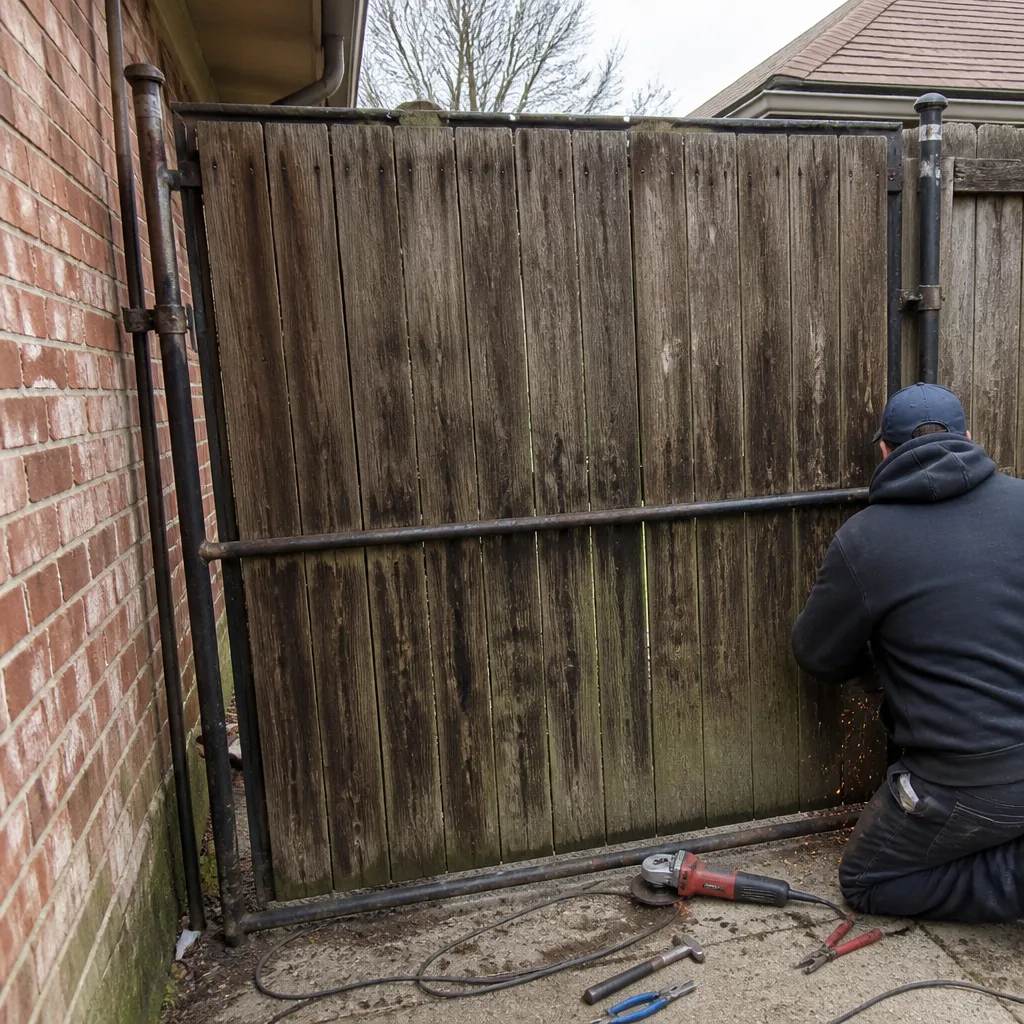 Before
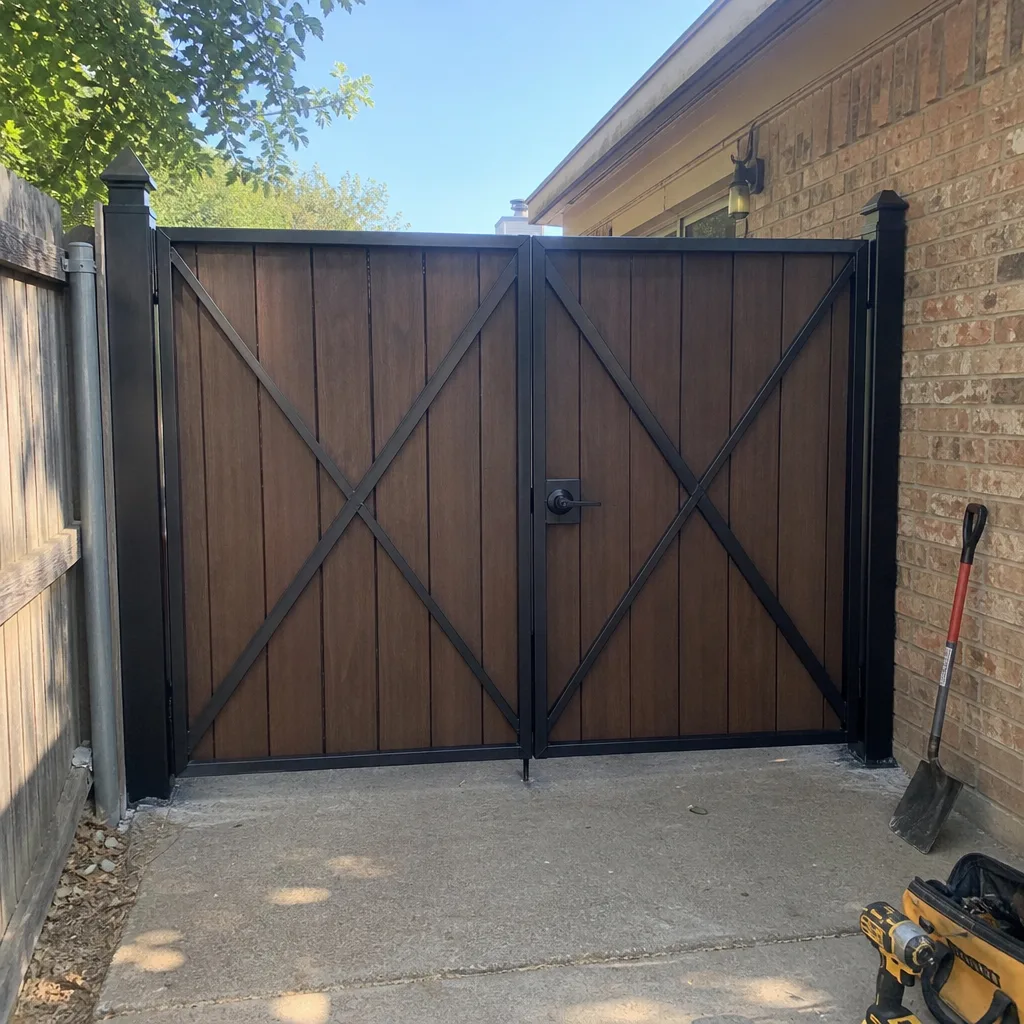 After
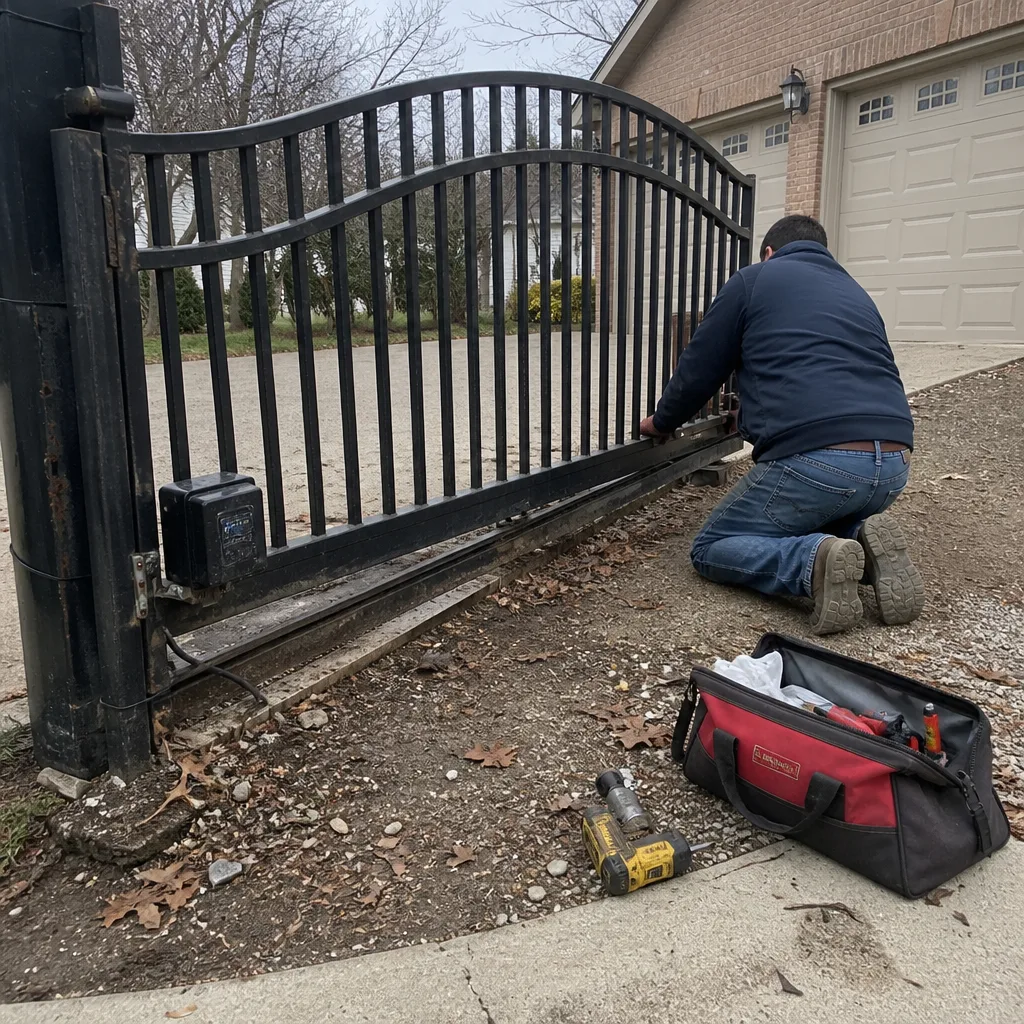 Before
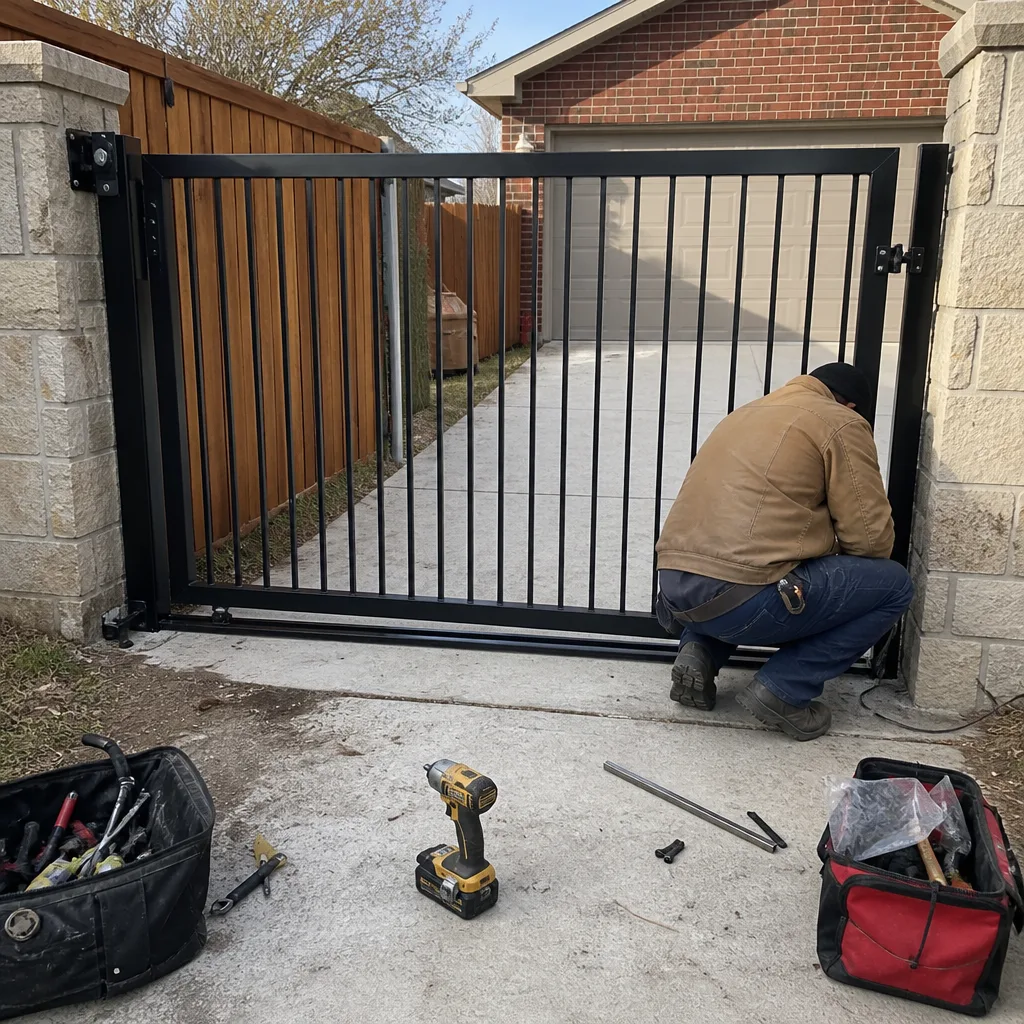 After
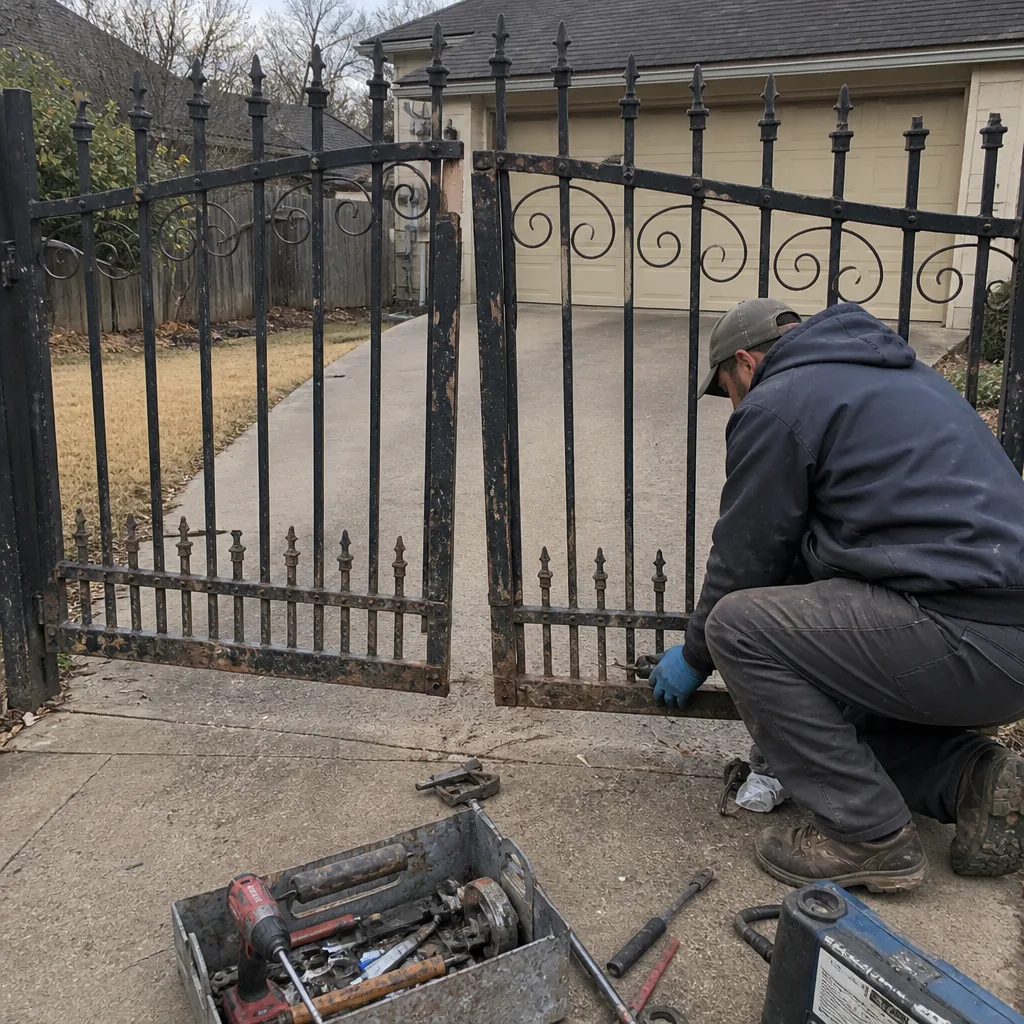 Before
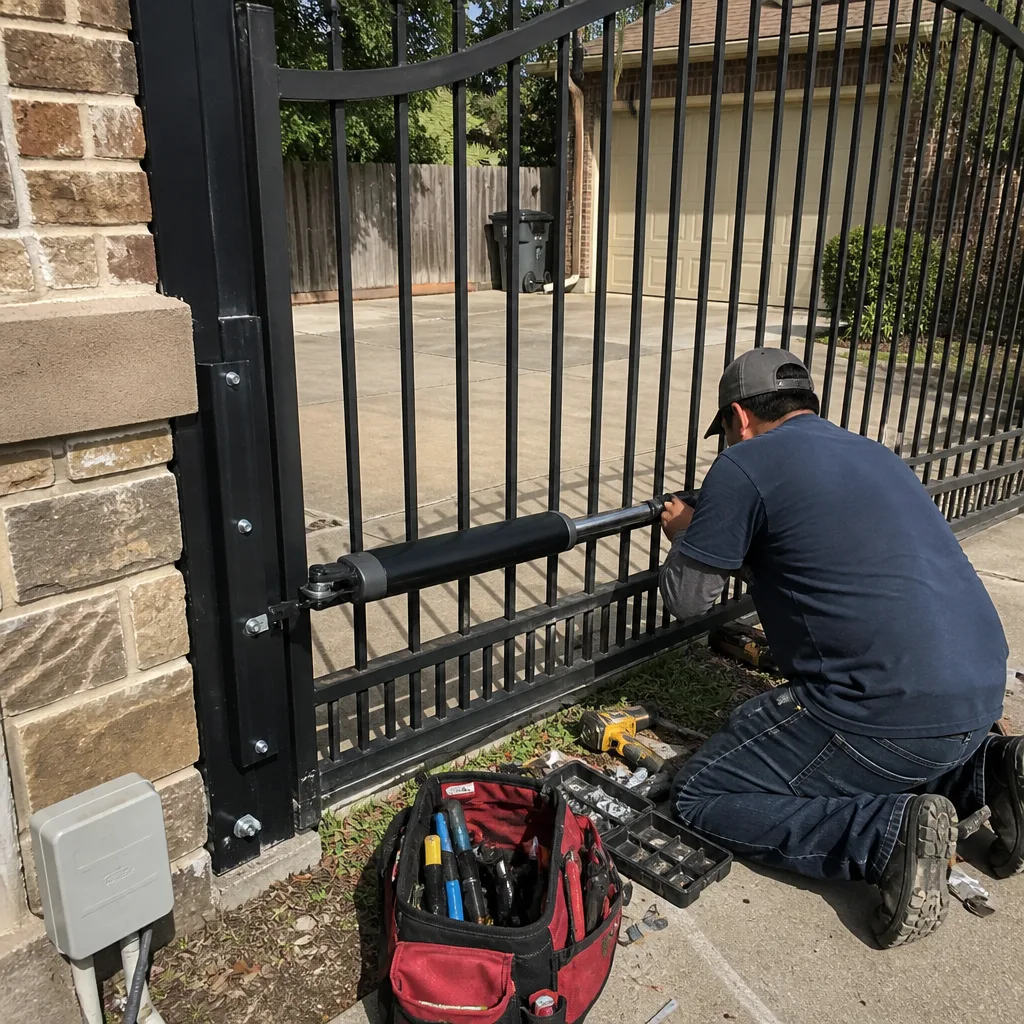 After