
Last updated October 31, 2026
 Wrought iron
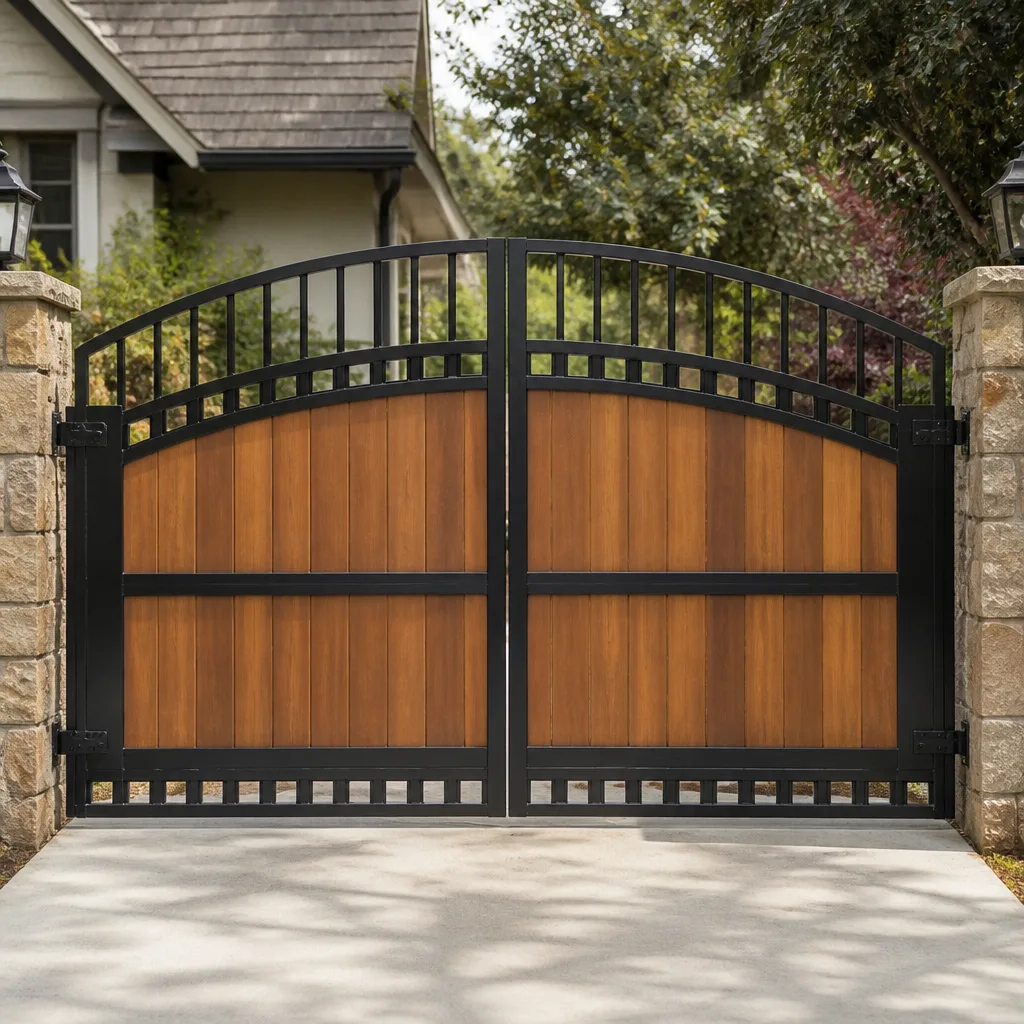 Wood & steel frame
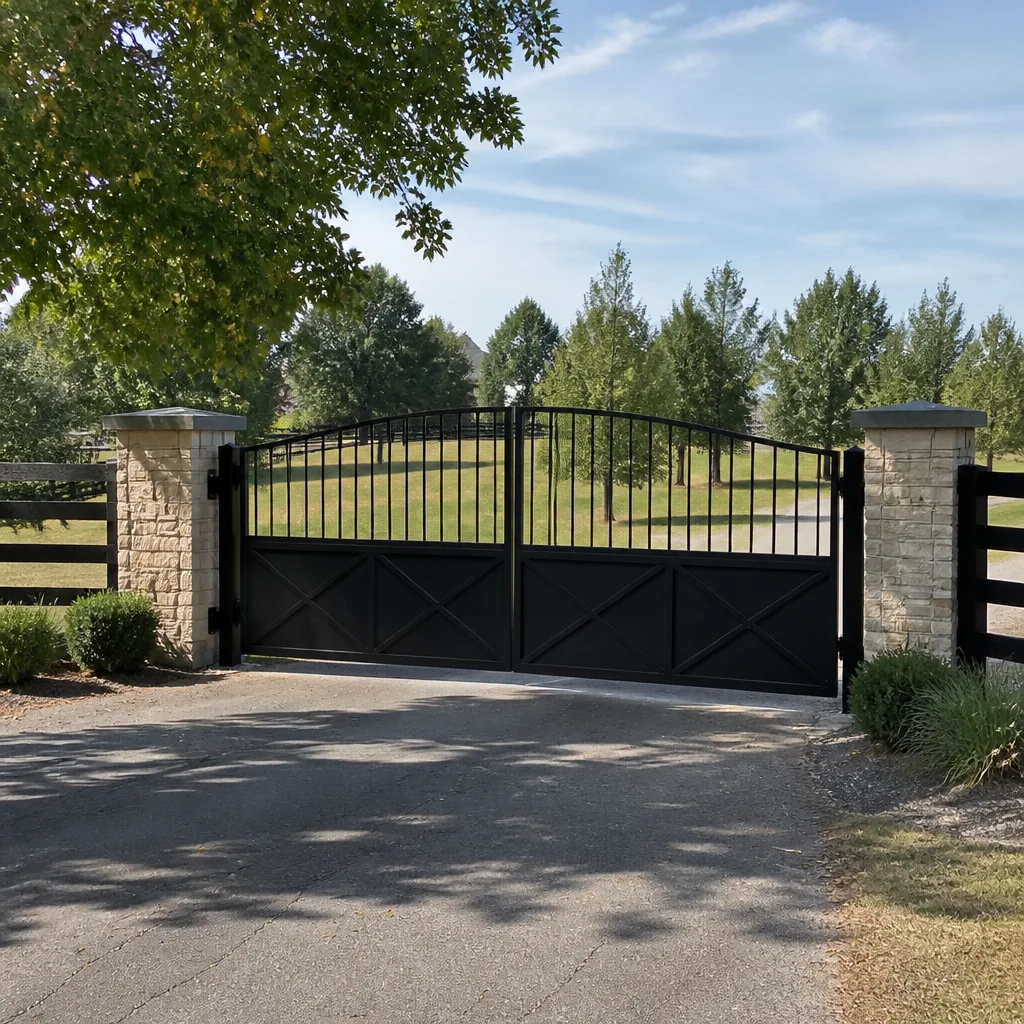 Farm & ranch
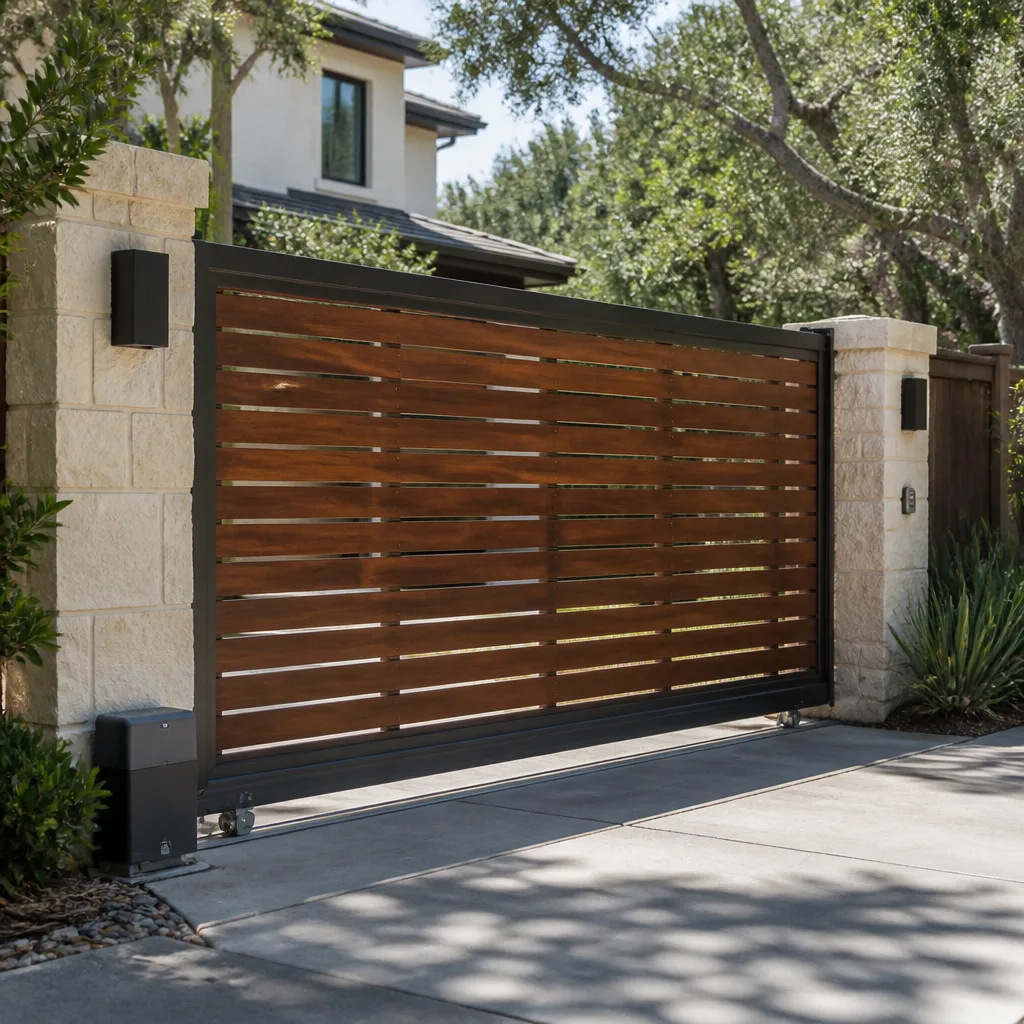 Sliding driveway gates
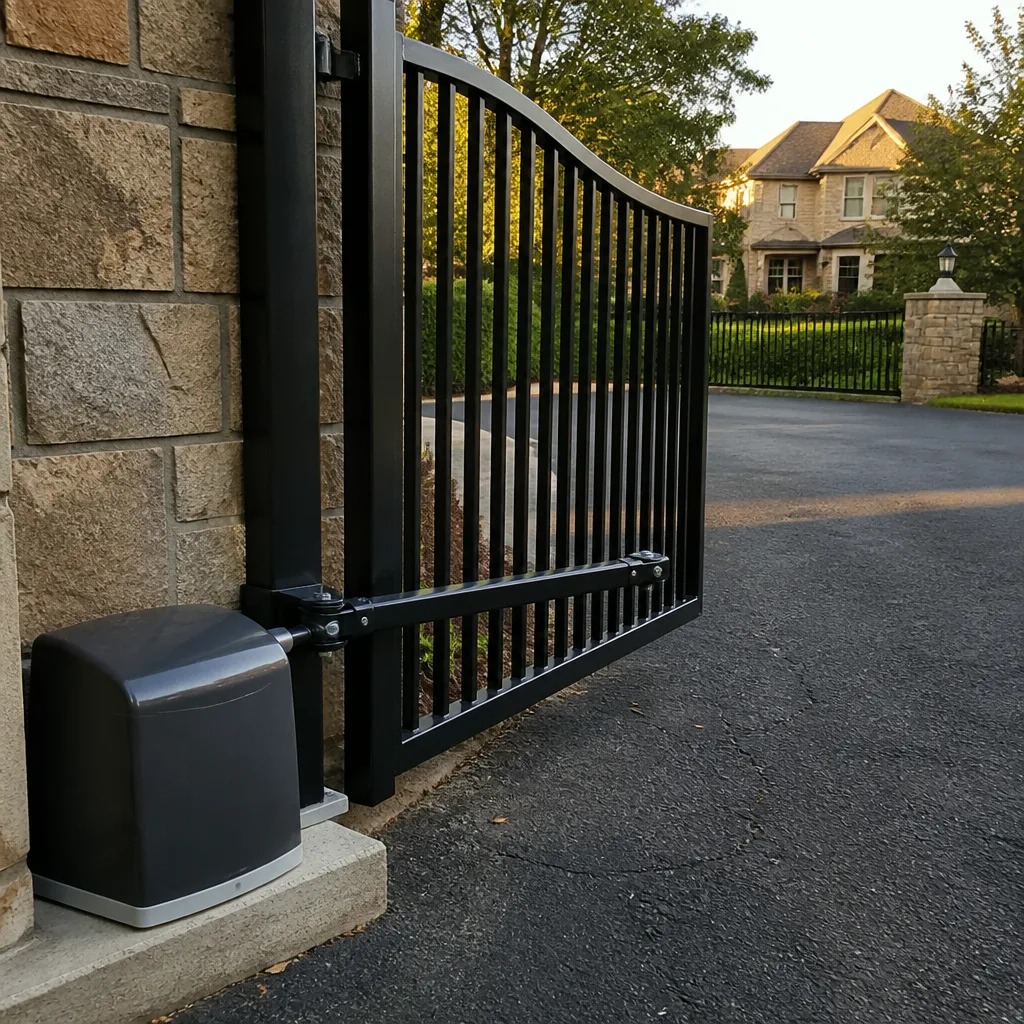 LiftMaster operators
Free on-site gate assessment - hinges, posts, and your LiftMaster or Nice gate operator checked before anything is quoted
The assessment is free and the quote is the invoice.
Get your free estimateSeasonal Gate Repair Care for Rowlett: Year-Round Homeowner’s Guide
Rowlett homeowners don’t really have a mild season to coast through. Late spring storm fronts, sustained triple-digit summer heat, and hard winter freezes each stress gate systems in completely different ways, and missing the maintenance window before any one of them is how expensive failures happen. This The Complete Gate Repair Guide for Rowlett Homeowners explains what actually breaks, when it breaks, and what to check before your gate stops working entirely. We’ll cover the specific components that fail in each of Rowlett’s three distinct weather patterns, and the high-value maintenance windows that catch problems while they’re still cheap to fix.
Styles & brands we work with
Quick Answer
Seasonal Gate Repair care in Rowlett TX comes down to three maintenance windows: pre-summer lubrication and battery load testing before June heat, storm-season sensor and safety-loop checks from April through June, and fall mechanical inspection in October before the first hard freeze. The single highest-impact task is a complete fall inspection covering hinges, welds, post alignment, and operator battery health, because freeze-thaw cycles turn small cracks into full structural failures by February.
Table of Contents
- Why Rowlett’s Climate Breaks Gates Differently
- Pre-Summer Protocol: Heat Preparation for Gates and Operators
- Storm Season Readiness: April Through June in Rowlett
- Freeze Preparation: What Happens Below 20°F
- Post-Freeze Inspection Checklist
- Why October Is the Highest-Value Maintenance Window
- Common Mistakes to Avoid
- When to Call a Professional
- Frequently Asked Questions
- The Bottom Line
Why Rowlett’s Climate Breaks Gates Differently
Most gate maintenance guides assume four equal seasons. Rowlett doesn’t work that way. What we actually get is a compressed storm season in late spring, a brutal sustained heat stretch from June through September, a very short fall, and winter punctuated by hard freeze events that arrive fast and leave just as quickly. Each of these periods attacks a gate differently.
Sustained heat above 95°F degrades petroleum-based lubricants faster than almost anything else. A hinge or roller that slides smoothly in April can be grinding metal-on-metal by August. Heat also reduces battery capacity in backup systems and operator control boards, which is why automated gates in Rowlett typically fail during the hottest weeks of the year rather than the coldest. The electric gate repair issues we see in Rowlett peak in July and August for exactly this reason.
Storm season brings a different kind of damage: debris strikes, water intrusion into control boxes and photo eyes, and soil saturation that lets posts shift slightly. A post that moves a quarter inch after heavy rain won’t look like much, but it changes hinge geometry and puts stress on every weld and bolt the gate swings on. The damage compounds with every cycle.
Freeze events in Rowlett are technically rare, but they hit hard when they arrive. Temperatures below 20°F change the behavior of batteries, control boards, and even the steel in the gate itself. Metal contracts. Lubricant thickens. Batteries lose capacity. A gate that works perfectly on a 70-degree December afternoon can be completely unresponsive the next morning when a hard freeze settles in.
Pre-Summer Protocol: Heat Preparation for Gates and Operators
The single most important pre-summer task in Rowlett is getting the right lubricant on every moving part, and that means choosing a product that won’t break down when sustained heat sets in. Petroleum-based lubricants, including many of the popular spray products on hardware store shelves, start degrading noticeably above 95°F. The lubricant thins, runs off the hinge or roller, and leaves the metal unprotected for the hottest months of the year.
For a Rowlett summer, here’s what we recommend, and the order we recommend doing it (see also Choosing the Right Gate Repair Brand: A Buyer’s Guide for Rowlett):
- Clean before you lubricate. Remove old grease, dust, and any vegetation that’s accumulated on hinges, rollers, tracks, and chain drives. A wire brush on steel parts and a clean rag on coated surfaces gets the job done.
- Apply a synthetic lubricant rated for high temperatures. Silicone-based or lithium-complex synthetic greases hold up far better than petroleum products when temperatures climb. Avoid WD-40 as a gate lubricant, it’s a cleaner and water displacer, not a long-term lubricant.
- Load-test the battery backup. This is the step most homeowners miss. A battery that reads 12.6 volts at rest might drop below 10 volts under load, which is not enough to drive an operator motor. If your gate has a battery backup and you haven’t tested it under actual opening and closing load since the previous fall, test it now, before peak heat reduces capacity further.
- Verify solar panel output. If your operator runs on a solar panel, check that the panel is clean, angled correctly, and unobstructed by new spring growth. A panel covered in tree pollen or shaded by a branch that didn’t exist in March will undercharge the battery all summer, and the symptoms typically show up as a gate that gets slower and slower until it stops.
Heat also affects control boards in automatic operators. DoorKing, LiftMaster, and Mighty Mule boards all have thermal limits, and when a board sits inside a metal control box in direct sun with ambient temperatures above 100°F, the interior of that box can reach 140°F. We see boards fail mid-July that would have run for years in a cooler climate. At minimum, make sure the control box has shade, or at least is not mounted on a south-facing metal surface that radiates heat directly into it. For a full evaluation of your automated system before summer peaks, our gate repair services in Rowlett cover mechanical and electrical diagnostics.
Storm Season Readiness: April Through June in Rowlett
Rowlett’s late spring storms are the most damaging weather events for gates, not because of sustained rainfall, but because of concentrated wind gusts, hail, and flying debris. The damage pattern is predictable: the gate itself survives, but the safety and control components take hits that fester.
Photo eyes and safety loops are especially vulnerable. A photo eye struck by a branch or pelted with hail can crack its housing without failing immediately. Moisture gets in through the crack. Corrosion begins. The sensor works fine for weeks, then stops one afternoon for no apparent reason. We’ve pulled apart photo eyes in Rowlett after storm season and found standing water inside the lens housing, with the gate still somehow operating until the connection finally corroded through.
Here’s the storm-season inspection sequence we suggest after any significant weather event:
- Walk the full gate path. Look for limbs, shingles, or anything else that may have struck the gate, the fence line, or the operator housing. Check the gate’s travel path for obstructions that weren’t there before.
- Inspect the safety loop area. Safety loops are buried wire loops near the gate that detect vehicles and prevent the gate from closing on them. Look for any erosion, new tire ruts, or exposed wire after heavy rain. A nicked loop wire may not fail today, but it will corrode underground and fail at the worst time.
- Check photo eye alignment and housing. On both sides of the gate opening, confirm the photo eyes are still pointed at each other, their housings aren’t cracked, and nothing has grown up in front of them. Even a tall weed can interrupt the beam on windy days and cause phantom gate reversals.
- Listen to the operator. Run the gate through two or three full cycles after the storm. A change in sound – a new grinding, a hesitation, a slower cycle – means something shifted or filled with debris. If it sounds different, it needs attention before it strands you.
A gate that “works fine” after a storm may have a damaged sensor that will cause a failure weeks later. Storm damage in Rowlett is rarely the dramatic kind where a tree falls on the gate. It’s the subtle kind: a cracked photo eye housing, a chafed safety loop wire, a control box seal that failed and let driving rain inside. The gate repair needs we see in Rowlett after storm season are almost all traced back to water intrusion or sensor damage that went unnoticed at the time.
Freeze Preparation: What Happens Below 20°F
Rowlett gets hard freezes irregularly, but when they arrive, they catch gate owners off guard because the gate worked fine in December’s mild weather. Below 20°F, three things happen to automated gates that don’t happen at any other time of year.
Battery chemistry changes at low temperatures. Lead-acid batteries, still common in many gate operators, lose significant capacity below freezing, and below 20°F they can deliver less than half their rated output. Lithium batteries handle cold better, but even lithium-iron-phosphate cells lose capacity in a hard freeze. If your operator has been running on a weakened battery all year, the first hard freeze in Rowlett will expose it. We’ve replaced batteries in January that tested fine in September, because the capacity had been declining steadily and the cold simply revealed it.
Control boards can refuse to boot in deep cold. Some older DoorKing and Elite boards, in particular, are sensitive to cold-soak conditions. The board sits in its metal enclosure overnight, drops to ambient temperature, and on a 15-degree morning the processor doesn’t initialize properly. The gate does nothing with no error code. When the temperature warms back above freezing, the board works again, which is what makes this so frustrating for the homeowner, and so difficult to diagnose without experience.
Metal gates and their hardware contract in the cold. Steel and aluminum shrink as temperatures drop, and a gate that clears its lock receiver by a quarter inch in summer may bind against it in a hard freeze. Hinges tighten, wheels in slide gates drag, and chain drives on slide operators can skip teeth if the chain tensioned up in August is now too tight in January. Proper gate installation in Rowlett accounts for this thermal range, but older installations often don’t.
When a hard freeze is forecast, there’s not much you can do to “winterize” a gate the way you’d winterize a sprinkler system. The most useful actions are: disconnect the automatic opener and operate the gate manually if you’re worried about burning out a cold battery, keep the gate path clear of ice accumulations that can block travel, and resist the urge to repeatedly cycle a gate that’s struggling in the cold, because repeated cold-start attempts are what kill operator motors.
Post-Freeze Inspection Checklist
The period right after a hard freeze, before spring growth obscures everything, is the best time in Rowlett to inspect the structural integrity of your gate. Late January and February offer clear sightlines to hinges, welds, posts, and the ground around the gate posts, all of which will be hidden by vegetation by April.
What to look for, in order of importance:
- Hinge stress fractures. Look at each hinge leaf and pivot point. Freeze-thaw cycles stress steel, and hairline cracks in a hinge are usually only visible when the metal is cold and clean. Paint over a hinge often cracks first, showing the weak point.
- Weld cracks on steel gates. Welds don’t usually fail catastrophically all at once. They crack along the edge of the weld bead, then the crack propagates through repeated loading. A freeze event accelerates this because the metal contracts and expands. Look at every weld joint on the gate frame, especially where vertical pickets meet horizontal rails.
- Post movement. Walk to the hinge post and the latch post, and sight down them against the fence line. A post that has shifted will be visibly out of parallel with the adjacent fence section. In Rowlett’s clay-heavy soils, freeze-thaw heaving moves posts more than most homeowners expect.
- Ground clearance changes. Measure the gap under the gate in the closed position at several points. If the gap is narrower on one side than it was last year, a post has moved or a hinge has worn. A gate that scrapes the ground now will only get worse through spring.
- Operator chain tension on slide gates. If you have a slide gate with a chain drive, check that the chain isn’t slack or guitar-string tight after a freeze event. Both conditions wear sprockets and motors.
This post-freeze window matters precisely because it’s brief. Once March hits and central Texas starts growing again, those hairline cracks and shifted posts get covered in new grass, hidden behind fresh vegetation, and forgotten until the gate fails outright in July. The gate that fails in summer in Rowlett often started failing in January.
Why October Is the Highest-Value Maintenance Window
October is the most valuable month on the Rowlett gate maintenance calendar, and it’s not close. Everything that was identified during the summer, every symptom that showed up in July but wasn’t quite bad enough to act on, every small problem that heat exposed, can still be addressed in October before the freeze season introduces structural failure into the equation.
The logic is straightforward: heat damage is cumulative through September, but freeze damage is acute and can be catastrophic. A worn roller that drags through July is still a worn roller in October. A bearing that got noisy in August hasn’t healed. A battery that tested weak in September isn’t going to recover on its own. October is the moment to catch all of it.
What the October inspection should cover:
- Everything from the pre-summer list, rechecked. Hinges and rollers now have three more months of wear. Lubricant applied in May is gone. Apply it again before cold weather.
- Battery replacement. If your operator battery tested weak at any point during the summer, October is when to replace it. The cost of a new battery in October is nothing compared to a frozen January morning with a non-functional gate.
- Chain and belt tension. Before cold contracts the metal, set tension to manufacturer spec. If it’s right in October, it’ll be close enough in January. If it’s wrong in October, it’ll be worse when the cold hits.
- Seals and weather stripping on control boxes. Summer heat breaks down rubber seals, and then winter rain and driving wind find the gaps. Replace the seal now, not after a January storm soaks the control board.
- Solar panel output. Fall angle changes mean the sun is lower in the sky. A panel that charged fine all summer may be underperforming by November. Check it before the shorter daylight hours compound the problem.
- Using WD-40 on gate hinges and rollers. It displaces water and cleans away old grease, but it evaporates within days and leaves moving parts dry. In Rowlett’s summer heat, a WD-40 “lubricated” hinge is grinding metal-on-metal within two weeks.
- Ignoring a gate that’s just a little slower than it used to be. Speed loss in an automatic gate is almost always a battery losing capacity or a motor working against increasing resistance. Both problems compound. A gate that takes two extra seconds to open in April might not open at all in August.
- Waiting to replace a battery until it dies completely. Once a lead-acid battery is fully discharged, especially in heat, it’s often unrecoverable. Replacement is cheaper when the battery still holds partial charge than when it has to be replaced immediately in an emergency.
- Skipping post-storm sensor checks because the gate “works fine.” A cracked photo eye housing or a chafed safety loop wire won’t show symptoms until corrosion or moisture does its work. By then the gate fails without warning, often at night or during the next storm.
- Postponing October maintenance until “it gets cold.” Once a hard freeze hits Rowlett, the window for easier, non-emergency work is closed. You’re now working outside in cold, stiff-fingered conditions, or waiting for an emergency call that costs more.
- Assuming a new gate doesn’t need seasonal care. New installations still have hinges, rollers, batteries, and control boards. The first year is when installation flaws and factory defects show up. Regular checks in year one prevent issues from compounding in years two and three.
The difference between a homeowner who does October maintenance and one who doesn’t is the difference between a gate that works all winter and a gate that strands someone on a frozen morning in January. October is also when we recommend scheduling a full mechanical and electrical inspection if you haven’t had one in more than two years, because it catches the compounded wear from two full summers of heat exposure.
Common Mistakes to Avoid
When to Call a Professional
Most seasonal inspections and lubrication are within reach of a careful homeowner, but some situations call for a specialist. If your gate operator fails in cold weather but works again when temperatures warm, that’s a control board or battery issue that requires diagnostic equipment to pin down. If you see weld cracks on the gate frame or hinge stress fractures, that’s structural work that affects the safety of the gate and the people who use it. If a post has visibly shifted, even a quarter inch, the gate needs realignment and the post may need resetting, which is not a weekend project. If your gate has a high-tension spring system, spring work is dangerous and should only be handled by someone trained to do it safely. Pinehurst Gate Repair offers free estimates in Rowlett, call (877) 265-5743 for an assessment before any work begins.
Frequently Asked Questions
You should lubricate gate hinges, rollers, and chains at least twice a year in Rowlett: once in May before summer heat sets in, and once in October before winter. If your gate sees daily cycling or you use petroleum-based lubricant, you may need to lubricate as often as quarterly because Rowlett’s sustained temperatures above 95°F accelerate lubricant breakdown. Call (877) 265-5743 if you’re unsure which lubricant is right for your gate type.
Gate failures during hard freezes in Rowlett are typically caused by one of three things: batteries that have lost capacity and can’t deliver enough current at low temperatures, control boards that fail to initialize when cold-soaked below freezing, or mechanical binding as metal contracts and tightens clearances. If the gate works again once temperatures rise, that’s a strong indicator of battery or board sensitivity rather than a mechanical failure.
Yes, sustained Rowlett heat above 95°F degrades lubricants, reduces battery capacity, and can overheat control boards inside metal enclosures that sit in direct sun. The interior of a control box can reach 140°F when ambient temperatures exceed 100°F, and many operator boards are not rated for that kind of sustained thermal load. Heat is the leading cause of electric gate failures we see in Rowlett during July and August.
Yes, we schedule pre-season inspections for Rowlett gates, including storm-season safety sensor checks in April and May, and pre-freeze mechanical and battery inspections in October and early November. The earlier you schedule, the more flexibility we have with timing before peak demand hits.
First, disconnect the operator and run the gate manually if you’re comfortable doing so, to avoid cycling a damaged gate repeatedly. Then check for visible damage to the gate frame, hinges, photo eyes, and control box. Even if the gate appears undamaged, have the safety sensors and loop wiring inspected, because storm damage in Rowlett is often hidden inside housings and connections. Call (877) 265-5743 for a storm-damage evaluation, estimates are free.
Yes, October is the highest-value maintenance window because it falls after summer heat has done its cumulative damage but before freeze season introduces structural stress. Everything identified in October can be addressed in non-emergency conditions, and the gate enters winter with fresh lubricant, a tested battery, and no known mechanical issues.
The Bottom Line
Rowlett’s climate doesn’t punish gates evenly across the year, it hits them in three concentrated waves: summer heat that degrades lubricants and batteries, spring storms that damage sensors and seals, and winter freezes that expose every structural weakness that accumulated during the other two. The homeowners who avoid emergency gate failures are the ones who do pre-summer heat preparation in May, storm-season sensor checks through spring, and the full October inspection that ties it all together. None of this is difficult, and most of it doesn’t require special tools. What it requires is doing it before the weather does its damage, because in Rowlett the damage is rarely subtle once the temperature swings. For more guides & resources, or if you’d rather hand the checklist to someone who does this every day, we’re here for that too.
Written by the team at Pinehurst Gate Repair, serving Rowlett since 2013.
See the difference
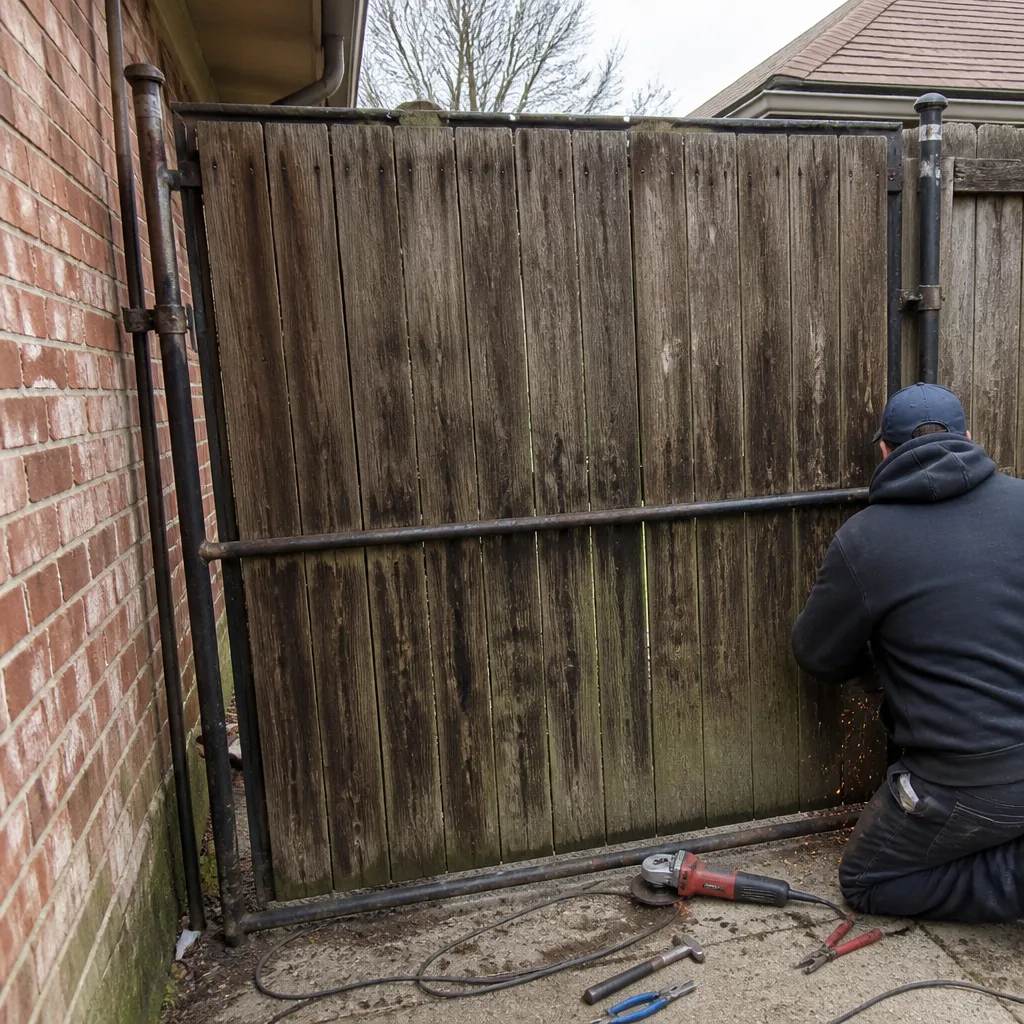 Before
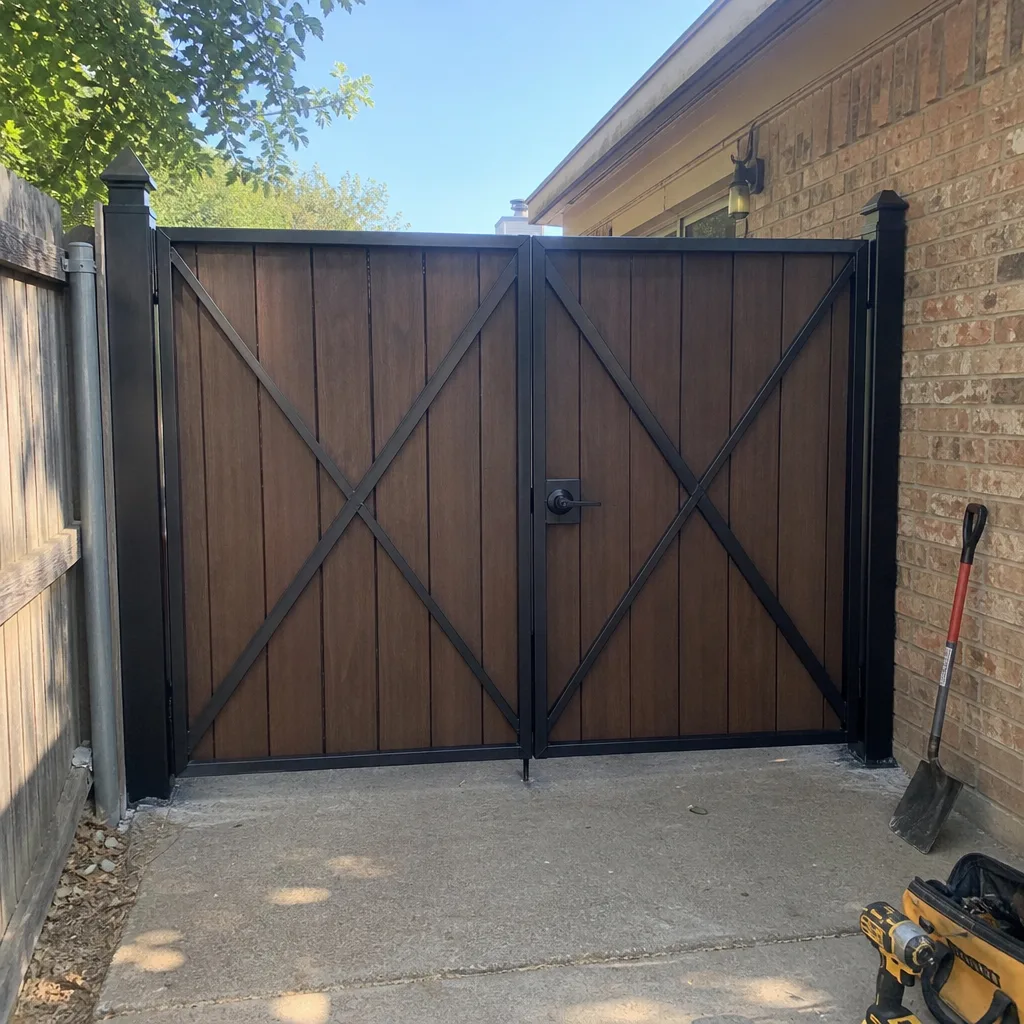 After
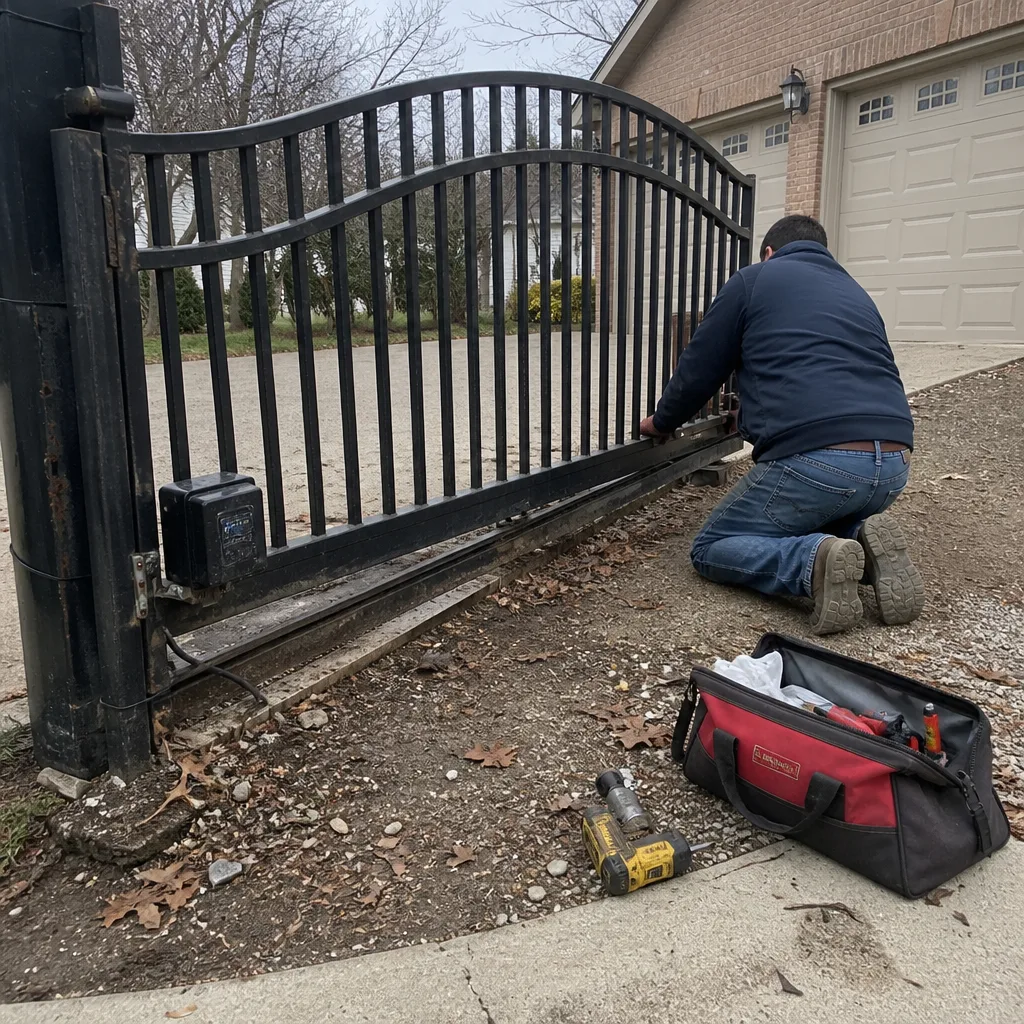 Before
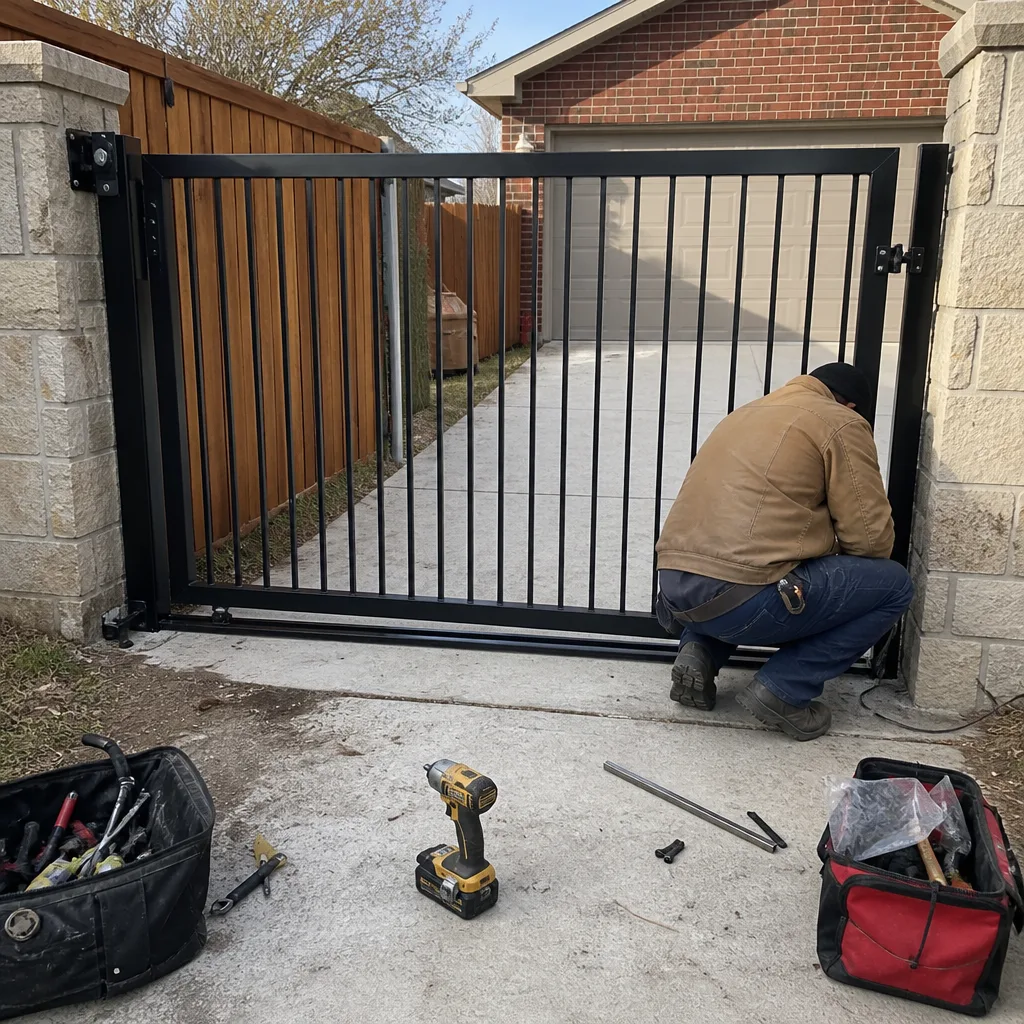 After
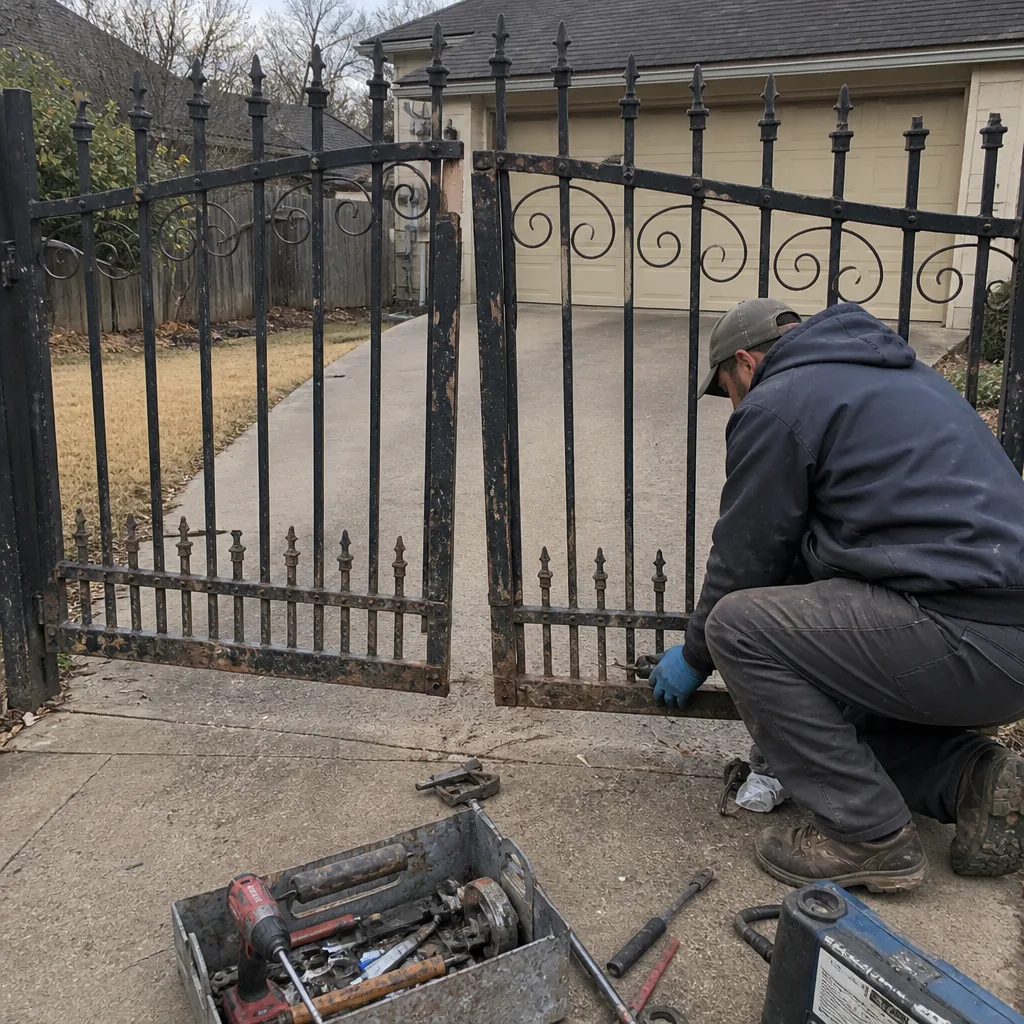 Before
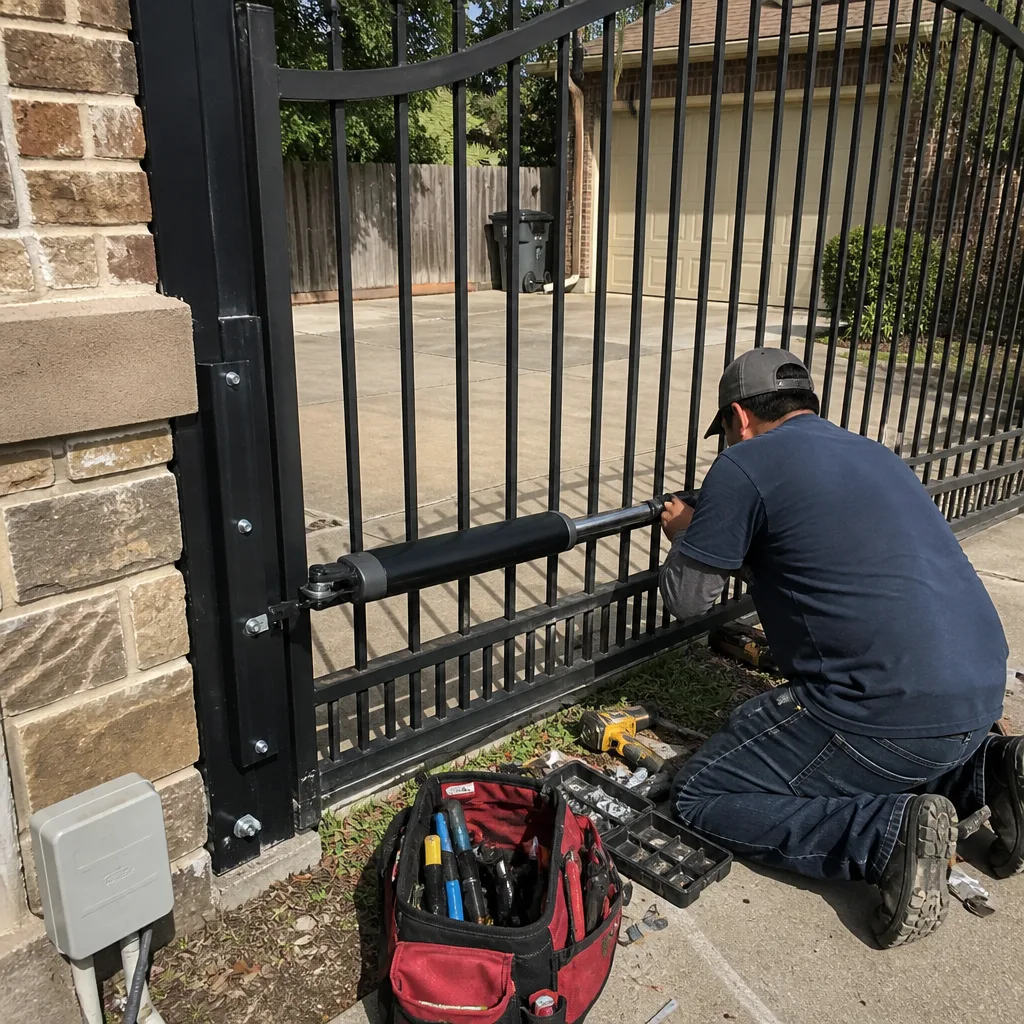 After